All Categories
Featured

Applying Global Techniques to Contemporary Cuisine in 2026
Table of Contents
:max_bytes(150000):strip_icc()/4503103-b723aaef0f814aabb57fe769bdc38ea3.jpg)
By the middle of 2026, the definition of an American classic has expanded far beyond its mid-century roots. The menu staples that once defined diners and family restaurants—burgers, fried chicken, and macaroni and cheese—have undergone a technical metamorphosis. This shift is characterized by the application of international culinary methods to domestic comfort foods, emphasizing a move away from simple preparation toward high-level precision. In 2026, the focus remains squarely on the quality of raw ingredients and the complexity of the processes used to prepare them.
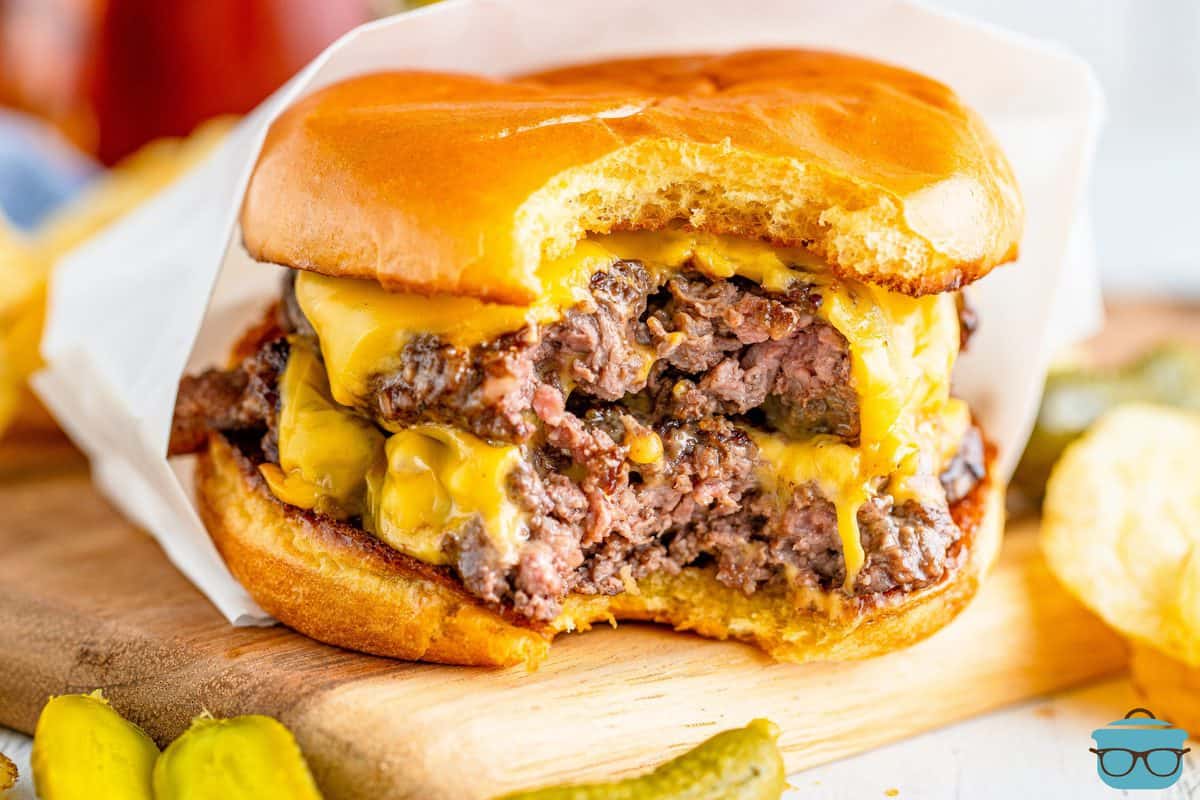
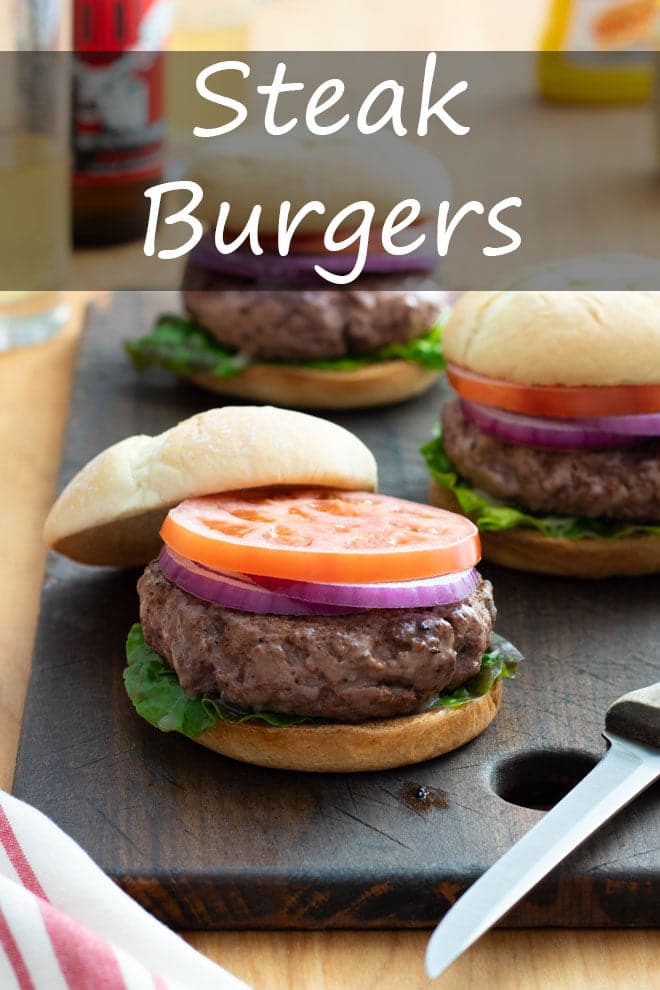
The burger, perhaps the most iconic American dish, is no longer just a patty on a bun. Chefs have looked to Japanese butchery and dry-aging traditions to redefine what a beef patty can be. High-end establishments in 2026 frequently use custom blends of American Wagyu beef, often dry-aged for forty-five to sixty days to concentrate flavor. Techniques such as shio koji curing are used to break down proteins, resulting in a more tender texture and an intense umami profile that standard seasoning cannot replicate. This reliance on Kids Eat has become a hallmark of the premium casual dining sector, where technical expertise is as valued as the final product.
Modern Fermentation and the Burger Renaissance in Major Metro Areas
The influence of Korean and Nordic cuisines has introduced advanced fermentation to the American burger. Instead of standard pickles and onions, menus now feature lacto-fermented ramps, kimchi-infused aiolis, and miso-glazed mushrooms. These additions are not merely for show. They provide a specific acidity that balances the richness of high-fat beef. The bread has also changed. The standard brioche bun is often replaced by milk bread or sourdough buns made with ancient grains, providing a structural integrity and a subtle tang that complements the complex meat blends.
In many kitchens, the traditional flat-top grill has been replaced by binchotan charcoal grills. This Japanese charcoal burns at an incredibly high temperature without producing smoke or odors that mask the meat’s natural flavor. It allows for a deep sear that locks in moisture while adding a clean, smoky essence. Restaurants specializing in high-quality dining utilize these specialized tools to ensure every component of the burger meets a rigorous standard of excellence.
Advanced Poultry Techniques and Southeast Asian Flavors
Fried chicken is another classic that has seen a massive upgrade in 2026 through the adoption of Southeast Asian and Southern European techniques. The double-fry method, popularized by Korean kitchens, is now a standard practice for achieving a crisp exterior that remains crunchy even when tossed in heavy sauces. However, the preparation starts long before the chicken hits the oil. Many chefs now use a brine of fish sauce and palm sugar, or a buttermilk soak fortified with Sichuan peppercorns, to ensure the meat is seasoned to the bone.
The use of high-quality fats for frying has also become a point of distinction. Instead of generic vegetable oils, kitchens are opting for rendered duck fat or wagyu tallow, which adds a layer of savory depth to the crust. This attention to detail reflects a broader trend where Full Milkshake Menu dictates the selection of every pantry item. For example, the flour used for the breading is often a specific low-protein blend sourced from regional mills to ensure the lightest possible coating.
In the local market, the rise of spicy chicken has evolved into a study of different chili varieties. Rather than just heat, chefs are looking for the fruity notes of habanero, the smokiness of morita, and the numbing sensation of citrusy sansho peppers. This layering of heat creates a multi-dimensional experience that prioritizes flavor over pure spiciness. The result is a dish that feels familiar yet offers a level of technical sophistication previously reserved for fine dining.
Seafood and Pasta: Mediterranean Influence on Domestic Staples
American seafood classics, such as the lobster roll or shrimp grits, have been influenced by Mediterranean techniques that emphasize the purity of the ingredient. In 2026, it is common to see lobster poached in a butter emulsified with yuzu or Meyer lemon, served on bread toasted with cultured butter. The grits, once a simple corn porridge, are now often prepared using the same methods as Italian polenta, involving long cook times and the addition of high-grade olive oils or aged cheeses like Pecorino Romano.

Pasta dishes have also seen a shift toward artisanal production. Extruded pastas made from heritage wheat varieties like emmer or einkorn are used to provide a nuttier flavor and a better "bite." The sauces are no longer heavy and cream-based but are instead built using pasta water and high-fat butter to create a silky, natural emulsion. Those who provide Kids Eat in Groups are increasingly focused on these small-batch methods, ensuring that even the most basic spaghetti dish is a reflection of superior craftsmanship.
Vegetables have moved from the side of the plate to the center, treated with the same reverence as meat. Root vegetables are often salt-baked or roasted over wood fires to intensify their natural sugars. The influence of Middle Eastern spices, such as za'atar and sumac, provides a bright acidity that replaces traditional heavy gravies. This approach not only appeals to those seeking lighter options but also highlights the inherent quality of the seasonal produce available in 2026.

The Role of Sourcing in the 2026 Kitchen
The success of these global-domestic hybrids depends entirely on the supply chain. In 2026, the relationship between the kitchen and the producer is more direct than ever. Chefs are working with small-scale farmers to grow specific varieties of peppers or to raise heritage breeds of pork that have the fat content necessary for high-heat roasting. This focus on the origin of the ingredient ensures that the techniques applied are not wasted on substandard products.
Dairy products have also seen a resurgence in quality. Cultured butters, single-herd creams, and hand-stretched mozzarella are now the baseline for any restaurant aiming for a premium designation. When these high-quality fats are combined with techniques like French sous-vide or Argentinian open-flame cooking, the results are consistently superior. The American classic, in this context, is a vessel for world-class ingredients and centuries-old techniques from every corner of the globe.
Consistency is maintained through the use of precise kitchen technology. Combi-ovens that control humidity to a single percentage point and immersion circulators that keep temperatures stable within a fraction of a degree allow chefs to execute complex recipes with perfect repeatability. This marriage of high-tech equipment and old-world craft defines the culinary spirit of 2026, where the goal is to honor the history of a dish while pushing its physical limits through modern means.
The evolution of American cuisine in 2026 is not about losing its identity, but rather about refining it. By incorporating the best methods from around the world and insisting on the highest quality ingredients, the industry has ensured that classic dishes remain relevant. Whether it is a burger enhanced by Japanese fermentation or fried chicken perfected through Korean frying techniques, the results speak to a globalized palate that still appreciates the comfort of home. This focus on technical skill and ingredient integrity ensures that the standard for excellence continues to rise, providing diners with experiences that are as technically impressive as they are delicious.

Table of Contents
Latest Posts
Applying Global Techniques to Contemporary Cuisine in 2026

Applying Global Techniques to Contemporary Cuisine in 2026

The Shift Toward High-Grade Proteins in Modern Dining Markets
Latest Posts
Applying Global Techniques to Contemporary Cuisine in 2026
Applying Global Techniques to Contemporary Cuisine in 2026
The Shift Toward High-Grade Proteins in Modern Dining Markets